
Does a Complete Sentence Need a Verb
Does a Complete Sentence Need a Verb – When crafting effective written communication, understanding the fundamental building blocks of grammar becomes essential. One question that frequently puzzles writers across the United States and beyond is whether every complete sentence absolutely requires a verb. The answer might surprise you, and modern tools like an sentence rewriter can help you navigate these grammatical complexities with confidence.
The Traditional Rule: Yes, Complete Sentences Need Verbs
In standard English grammar, a complete sentence typically requires two essential components: a subject and a predicate. The predicate must contain a verb, making verbs fundamental to sentence construction. This rule forms the backbone of English writing instruction throughout American schools and continues to be the gold standard for formal writing.
Consider these examples:
- “The dog runs quickly.” (Subject: dog, Verb: runs)
- “Students are studying diligently.” (Subject: students, Verb: are studying)
- “She completed her assignment.” (Subject: she, Verb: completed)
Each sentence contains both a subject performing an action and a verb describing that action or state of being. This structure creates clear, complete thoughts that readers can easily understand.
When Sentences Break the Rules: Acceptable Exceptions
However, English is a living language that evolves with usage, and there are several situations where complete sentences may not contain traditional verbs. Understanding these exceptions can help writers use tools like a sentence rewriter more effectively.
| Exception Type | Example | Usage Context |
|---|---|---|
| Interjections | “Wow!” or “Help!” | Emotional expressions |
| Commands (Implied Subject) | “Stop!” or “Listen carefully.” | Direct instructions |
| Response Fragments | “Absolutely.” or “Not really.” | Conversational replies |
| Exclamatory Phrases | “What a beautiful day!” | Emphatic expressions |
These exceptions work because they convey complete thoughts within specific contexts, even without explicit subject-verb combinations.
The Role of Modern Writing Tools
Today’s writers have access to sophisticated AI sentence rewriter tools that can help identify and correct grammatical issues. These platforms analyze sentence structure, suggest improvements, and ensure clarity while maintaining the writer’s intended meaning. For American writers and international users alike, these tools provide valuable assistance in creating grammatically sound content.
When using a AI sentence rewriter, you’ll often discover that fragments can be transformed into complete sentences by adding appropriate verbs or restructuring the text entirely. This process helps maintain professional writing standards while improving overall readability.
Types of Verbs in Complete Sentences
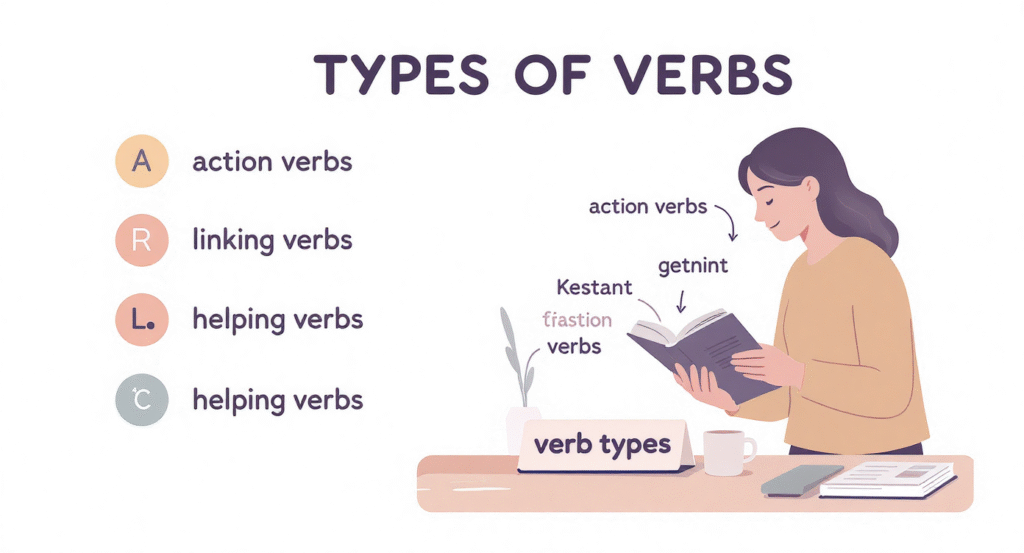
Understanding different verb categories helps writers create more dynamic and engaging sentences:
Action Verbs describe what the subject does:
- “The chef prepares the meal.”
- “Birds migrate south for winter.”
- “Technology transforms our daily lives.”
Linking Verbs connect the subject to additional information:
- “The weather seems pleasant today.”
- “Her presentation was impressive.”
- “Those flowers smell wonderful.”
Helping Verbs work with main verbs to show tense or possibility:
- “Students will submit their projects tomorrow.”
- “The team has been practicing all week.”
- “You should consider using a sentence rewriter for clarity.”
Common Mistakes Americans Make
| Mistake Type | Incorrect Example | Corrected Version |
|---|---|---|
| Missing Verb | “The new software amazing.” | “The new software is amazing.” |
| Fragment | “While walking to school.” | “While walking to school, I noticed the beautiful trees.” |
| Run-on | “I love writing it’s my passion.” | “I love writing. It’s my passion.” |
| Comma Splice | “The meeting ended early, everyone went home.” | “The meeting ended early, so everyone went home.” |
These errors frequently appear in informal writing but should be avoided in professional contexts. An AI sentence rewriter can help identify and correct these issues automatically.
Practical Applications for Different Writing Contexts
Academic writing demands strict adherence to complete sentence structure. Research papers, essays, and formal reports require clear subject-verb relationships to convey complex ideas effectively. Students and researchers across American universities benefit from understanding these principles.
Business communication also relies heavily on complete sentences. Emails, reports, and presentations must communicate ideas clearly and professionally. Using a sentence rewriter can help ensure your business communications meet these standards.
Creative writing offers more flexibility, allowing authors to bend grammatical rules for stylistic effect. However, understanding the rules remains crucial before choosing to break them intentionally.
Conclusion
While complete sentences traditionally require verbs, English grammar allows for certain exceptions in specific contexts. Understanding these rules and exceptions empowers writers to communicate more effectively. Whether you’re a student in California, a business professional in New York, or a writer anywhere in the world, mastering sentence structure remains fundamental to clear communication.
Modern tools like AI sentence rewriter platforms provide valuable assistance in crafting grammatically correct, engaging content. By combining traditional grammar knowledge with innovative technology, writers can create compelling content that resonates with their intended audience while maintaining professional standards.
Frequently Asked Questions
Q1: Can a sentence be complete without a verb? Generally, no. Traditional grammar rules require complete sentences to have both a subject and a predicate containing a verb. However, certain exceptions exist in specific contexts like exclamations (“Wow!”), commands with implied subjects (“Stop!”), and conversational responses (“Absolutely.”). These work because they convey complete thoughts within their specific usage contexts, but formal writing typically requires explicit verbs.
Q2: How can an AI sentence rewriter help improve my grammar? An AI sentence rewriter analyzes your text structure, identifies grammatical errors, and suggests corrections while preserving your intended meaning. These tools can detect missing verbs, fix sentence fragments, eliminate run-on sentences, and improve overall clarity. They’re particularly useful for non-native English speakers and anyone wanting to enhance their writing quality for professional or academic purposes.
Q3: What’s the difference between action verbs and linking verbs in sentences? Action verbs describe what the subject does (runs, writes, thinks), while linking verbs connect the subject to additional information about its state or condition (is, seems, appears). Action verbs show movement or activity, whereas linking verbs establish relationships between sentence elements. Both types are essential for creating complete, grammatically correct sentences that effectively communicate your ideas.
Q4: Are sentence fragments ever acceptable in professional writing? In formal business or academic writing, complete sentences are strongly preferred. However, strategic use of fragments can be effective in marketing copy, creative writing, or conversational contexts for emphasis. When using a sentence rewriter, you can experiment with different structures while ensuring your final content meets the appropriate formality level for your intended audience and purpose.
Q5: How do I identify incomplete sentences in my writing? Look for sentences missing subjects (who/what is performing the action) or predicates (what the subject is doing/being). Common red flags include starting with subordinating conjunctions without completing the thought, using only phrases instead of clauses, or creating run-on sentences. An AI sentence rewriter can automatically detect these issues and suggest corrections to improve your writing’s clarity and professionalism.